

None
None
Long Story Video Skill
Turn your idea into 10s–10min video—AI writes scripts, prompts, and generates footage automatically.
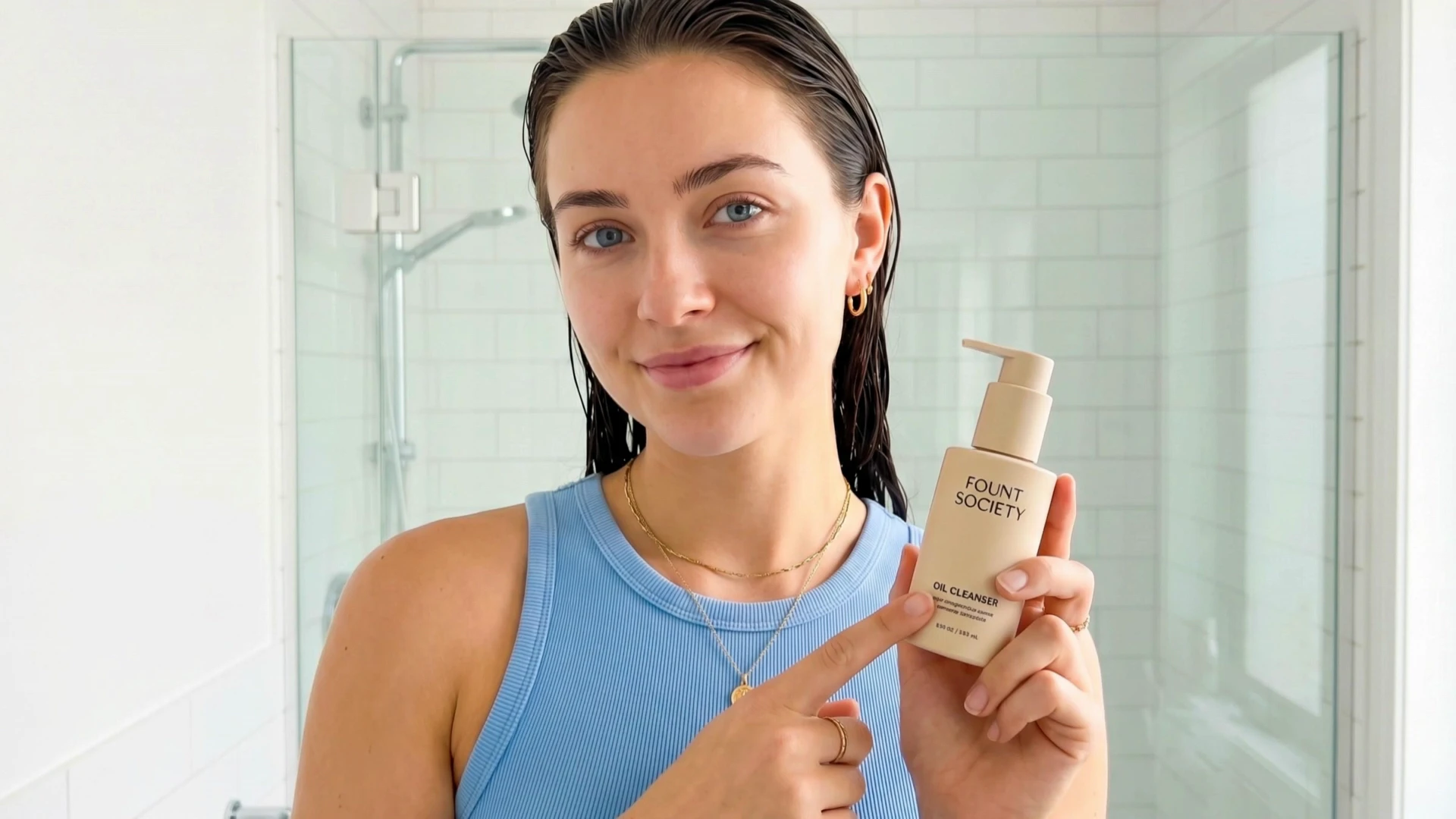
Ads Video Skill
Generate professional ads and sales videos—AI auto-generates scripts, prompts, and footage.
3D Science Explainer Video Skill
Convert scientific concepts into stunning 3D explain animations
Feedback
freeTrialImage.bannerPity
freeTrialImage.upgradeUnlock
- ✓freeTrialImage.benefitHd
- ✓freeTrialImage.benefitWatermark
- ✓freeTrialImage.benefitUnlimited
Minimax H3 Lora
Explore Minimax H3 Lora adapters: stack compatible weights, run text or image prompts, or train your own clip-based adapter online.
All Tools
Discover our comprehensive AI-powered animation toolkit
MiniMax H3
MiniMax H3 AI Video Generator
Seedance 2.5
The Future of AI Video Is Here.
Seedance 2.0
The Future of AI Video Is Here.
Seedance 2.0
The Future of AI Video Is Here.

AI Multi-Scene Shorts Generator
Create viral AI Shorts instantly

3D Science Video
Create 3D science videos easily

Suno AI Music Generator
Create Professional Music with AI

Free GPT Image 2.5
Next-generation image creator
Which Kind of Minimax H3 Lora Do You Actually Need?
Turbo, character, style, and motion weights all share the LoRA label, yet each one touches a different layer of H3 output — speed, likeness, look, or movement.
- Acceleration (Turbo) AdapterIts only job is to shrink sampling steps so H3 finishes rendering sooner. It carries no face, product, or brand identity of your own.
- Likeness and Style AdapterTrained from stills, it locks in a face, an item, a lighting mood, or an art direction — and how well it holds depends on the H3 checkpoint and loader you match it with.
- Motion and Video AdapterA newer, less settled route: short clips teach gestures, camera moves, or a repeatable effect. Motion training is still maturing and frequently leaves audio out.
Running a Minimax H3 Lora Inside the Hosted Studio
Bring in a matching adapter, pick your mode, and test the result against the base model before committing to a full batch.
What the Minimax H3 Lora Studio Handles
Stereo sound baked into the render, stacked adapters, numbered references, clip-based training in the browser, ComfyUI graphs, and clearly stated model limits.
Text, Image, Video, and Audio in One Pass
H3 reads all four input kinds together and returns footage with native stereo sound — 15 seconds maximum, up to 2K.
Stacked Adapter Slots
The hosted text-to-video and image-to-video modes accept as many as three H3-compatible adapters in a single run.
Numbered Reference Control
Combine indexed image, video, and audio references with matching adapters when you want tighter direction over the final shot.
Train Adapters Without Local Hardware
Build video and audio adapters from clip datasets; finished weights and configs download to your machine and stay available in My LoRAs.
Ready-Made ComfyUI Graphs
Comfy-Org publishes separate text, image, and reference templates, each spelling out the video VAE, audio VAE, diffusion checkpoint, and text encoder required.
Strict Model Matching
Line up the H3 partition, checkpoint format, loader, and graph — and never drop Flux, Krea, Qwen, Z-Image, Wan, or LTX adapters into an H3 pipeline.
Minimax H3 Lora: Your Questions Answered
What each adapter kind does, how browser-based training works, using adapters in ComfyUI, and whether motion adapters pick up audio.
What exactly is a Minimax H3 Lora?
A small add-on weight file for the H3 video model. Depending on how it was trained, it can shorten sampling, hold a face or product, carry a visual style, or reproduce motion seen in clips.
How does a turbo adapter differ from the other kinds?
They solve different problems. Turbo weights exist only to reduce step counts, while character, style, and motion weights are personalization tools that change what actually gets rendered.
Can I train one in the browser with LoraAI?
Yes. LoraAI hosts Fal H3 video and audio training on clip datasets. Weights and configs download locally and remain in My LoRAs; compatibility with the WaveSpeed generator is still unconfirmed.
Does it work inside ComfyUI?
Yes, provided the adapter matches the checkpoint and loader in your graph. Start from an official H3 base template, then follow the model card for loader, strength, sampler, scheduler, and steps.
Appearance or motion — which should I choose?
Choose appearance when a face, item, or style must stay recognizable, which usually means training on stills. Choose motion when the goal is movement itself — body action, camera paths, or a repeatable effect learned from clips.
Will a motion adapter also learn audio?
That depends on the trainer. This site's Fal H3 I2V trainer reads soundtracks, so silent clips train against silence, while other implementations may capture visual timing only.
Run a Matching Minimax H3 Lora Right Here
Upload the adapter you already have, flip between text and image input, direct motion and sound, or build new video and audio weights from your own footage and store them in My LoRAs.