Feedback
AI Ad Video Example
Loading...
MiniMax H3 prompt
See how the MiniMax H3 prompt turns a simple text script into a precisely directed 2K video with clean, stereo-matched audio.
All Tools
Discover our comprehensive AI-powered animation toolkit
MiniMax H3
MiniMax H3 AI Video Generator
Seedance 2.5
The Future of AI Video Is Here.
Seedance 2.0
The Future of AI Video Is Here.
Kling 3.0
Next-Gen AI Video Generator
Grok Video Generator
Create Videos from Text or Images with AI
MiniMax H3 video generator
MiniMax H3 AI Video Generator
Seedance 2.0
The Future of AI Video Is Here.
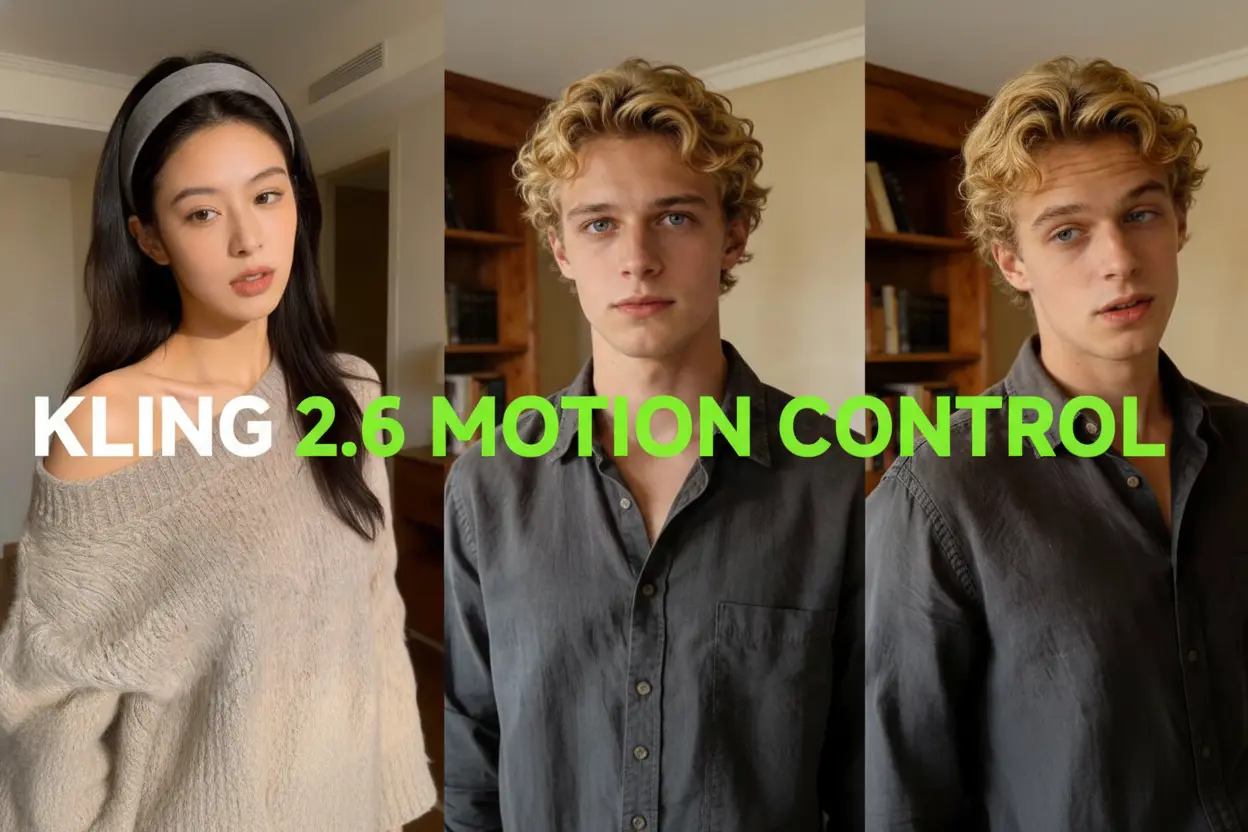
Kling Motion Control
Turn reference images into amazing motion videos in minutes
Why the MiniMax H3 prompt Changes AI Video Creation
An open-weight multimodal video model powers this workflow: each MiniMax H3 prompt can stretch to 7,000 characters and produce 5–15 second 2K clips at 24fps with built-in stereo audio. By assigning a purpose to every reference asset, segmenting scenes with time codes, directing camera language, and locking character identity, you can manage an entire production in one request.
- Give Every Asset a Clear RoleA key principle of the MiniMax H3 prompt method: explicitly state what each uploaded image, video, or audio file should stand for — atmosphere, character, product, art direction, or voice.
- Break Scenes Into Timed BlocksSplit a multi-action scene into precise intervals such as [0-2s] and [2-4s] within a single MiniMax H3 prompt, eliminating the stop-motion feel and adding genuine storytelling tempo.
- Direct Sound With Cinematic IntentHandle music flow, sonic details, and voice cloning with as much care as the picture — everything from low-end bass and cymbals to foley effects and dialogue timing goes into the MiniMax H3 prompt.
Steps for Crafting a MiniMax H3 prompt
Follow a proven MiniMax H3 prompt process that yields 2K video with synchronized audio.
Key Techniques Behind the MiniMax H3 prompt
Explore the essential methods in the MiniMax H3 prompt guide — reference roles, timed shot structures, audio direction, negative constraints, identity locking, edit rules, cinematic vocabulary, and physical transition cues — to produce precise, professional AI video.
Use Negative Directions to Exclude Unwanted Elements
The MiniMax H3 prompt method teaches you how to tell the model what not to do — 'no gentle fading', 'no broken text', 'no sudden shocks' — so the final render stays on target.
Preserve Identity Across Every Shot
Keep people, products, and places consistent from cut to cut by recording distinctive traits inside the MiniMax H3 prompt — hairstyle, clothing, accessories, and lettering all remain stable.
Pair Edits With Stability Rules
When modifying footage, each change in the MiniMax H3 prompt should specify what remains untouched — allowing targeted adjustments rather than a full redo.
Speak the Language of Cinematography
Incorporate framing size, lens feel, lighting, and film texture — handheld movement, focus pulling, wide-angle distortion, grain — directly into the MiniMax H3 prompt.
Make Transitions Feel Physical
Frame each transition as a real-world occurrence — fast panning, motion blur, light trails, exposure changes — a trick that beats listing effect names in the MiniMax H3 prompt.
Leverage 7,000 Characters of Control
Include a complete scene breakdown, beat-by-beat shots, audio cues, and restrictions in one MiniMax H3 prompt thanks to its 7,000-character limit.
Frequently Asked Questions About MiniMax H3 prompt
Get quick answers to the most common questions about crafting high-performance prompts for the MiniMax H3 video model.
What does the MiniMax H3 prompt guide teach?
It collects proven strategies for getting better results from MiniMax's open-weight multimodal video generator. Inside the MiniMax H3 prompt guide you'll find guidance on assigning roles to reference files, breaking scenes into timed shots, steering audio, using negative prompts, locking identity, and applying cinematic language to output 2K video with built-in stereo sound.
Is there a length limit for a MiniMax H3 prompt?
You can use up to 7,000 characters, which is plenty for a full scene breakdown: timed actions, camera work, sound design, and restrictions can all live in a single MiniMax H3 prompt.
What is the best way to manage several reference files?
Give every file a defined role in your MiniMax H3 prompt, such as 'Image 1 handles atmosphere, Image 2 covers the subject, Audio 1 carries the voice.' The model accepts as many as 9 images, 3 video clips, and 3 audio files in one request.
Is it important to include audio descriptions?
Absolutely — consider sound a scene element. In the MiniMax H3 prompt, describe the musical arrangement, entry points for instruments, foley cues, and dialogue so the generated audio fits the visual cut.
What's the trick for maintaining character consistency?
To keep a character stable, record key identifiers such as hairstyle, outfit, props, and environment details within the MiniMax H3 prompt, then repeat that list across every planned moment and edit.
What common mistakes should I avoid when using a MiniMax H3 prompt?
Avoid loose pacing and accidental style choices. Replace static slide-show progressions with timed scene blocks, and use negative instructions in the MiniMax H3 prompt to block content you don't want.
Begin Crafting Your MiniMax H3 prompt Now
Craft a single MiniMax H3 prompt that delivers sharp 2K video with natural stereo audio — including scene timing, reference roles, cinematic camera work, and audio cues all in one submission.